Articles, research & practical advice for stronger bones
Evidence-informed writing on osteoporosis, menopause, fall prevention, and how low-intensity vibration therapy fits into everyday care.
Three proven ways to support parents living with osteoporosis
Watching a parent become more frail can be frightening. Here are three practical, evidence-backed ways adult children can help protect their loved one's bones.
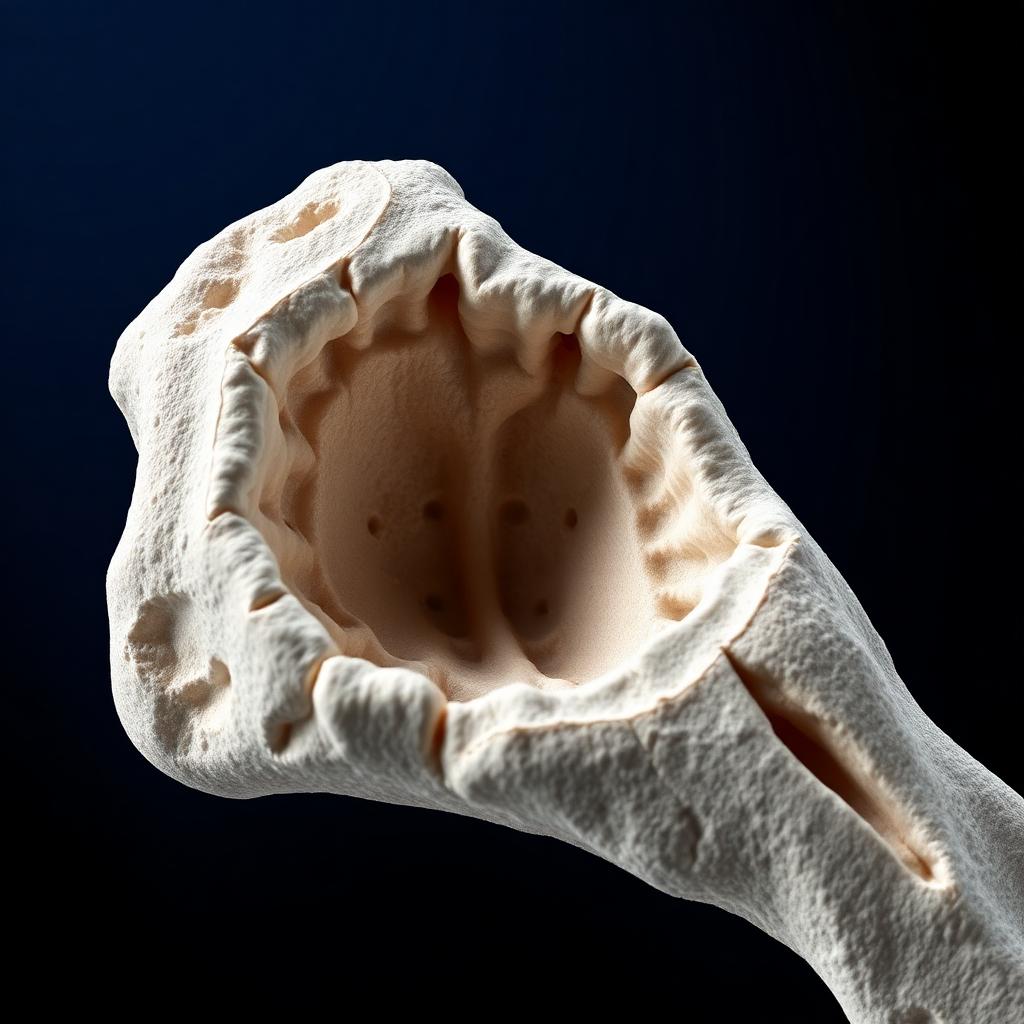
What do the results of your DEXA scan mean for your bone health?
A DEXA scan gives you a T-score and a Z-score — but what do the numbers actually mean, and what should you do about them?
Can you use a vibration plate with a medical condition?
Physiotherapist Margaret Martin explains why the type of vibration matters — and which conditions call for extra caution.
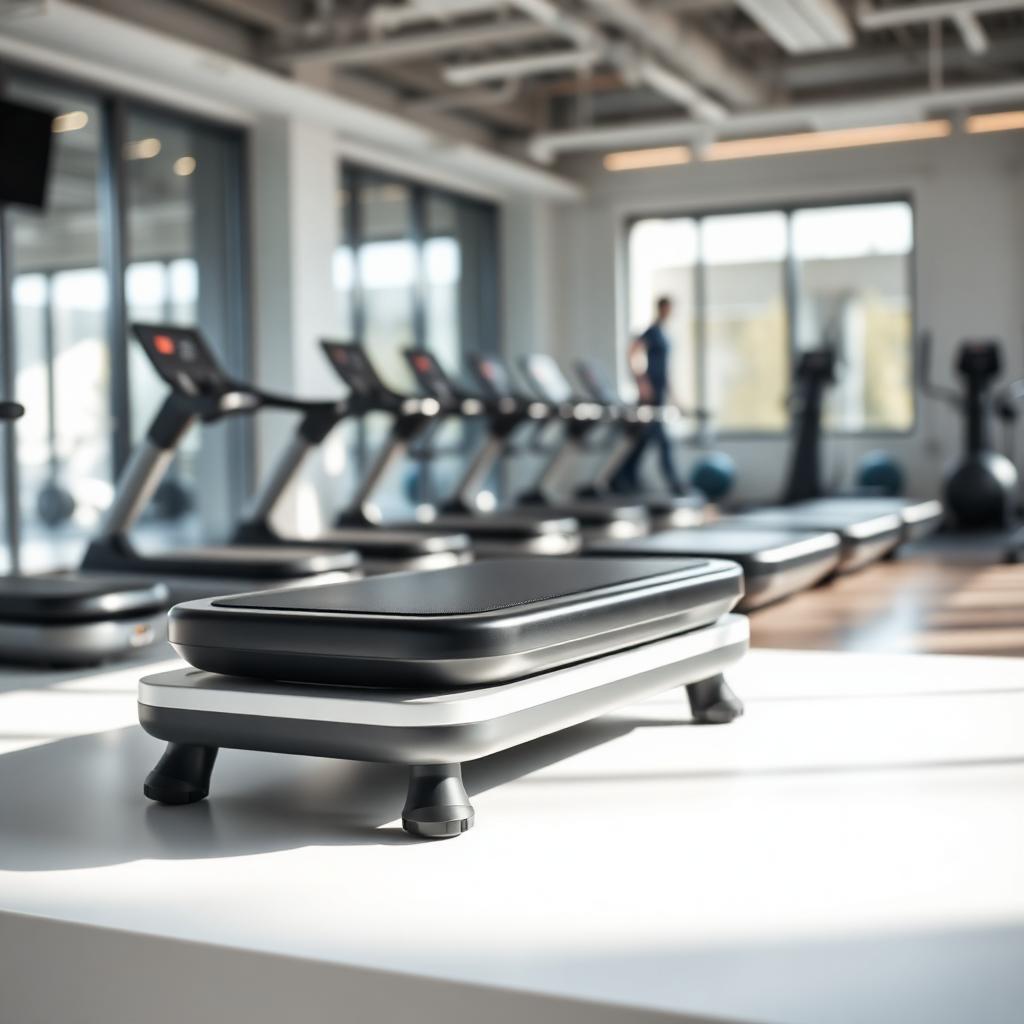
Are gym vibration plates harmful to your bone health?
High-intensity power plates and medically-certified low-intensity vibration devices look alike, but the safety and science are worlds apart.
Deteriorating bones: signs and symptoms to look for at home
Bone loss is often silent until a fracture. Here are the everyday clues that suggest it's time for a DEXA scan.
Sedentary behaviour and dementia risk in older adults
A recent study links prolonged sitting with increased dementia risk — a reminder that daily movement matters far beyond bone health.
Can menopause cause brittle bones?
Falling oestrogen accelerates bone loss, and up to 20% of a woman's lifetime bone density can be lost in the years around menopause.
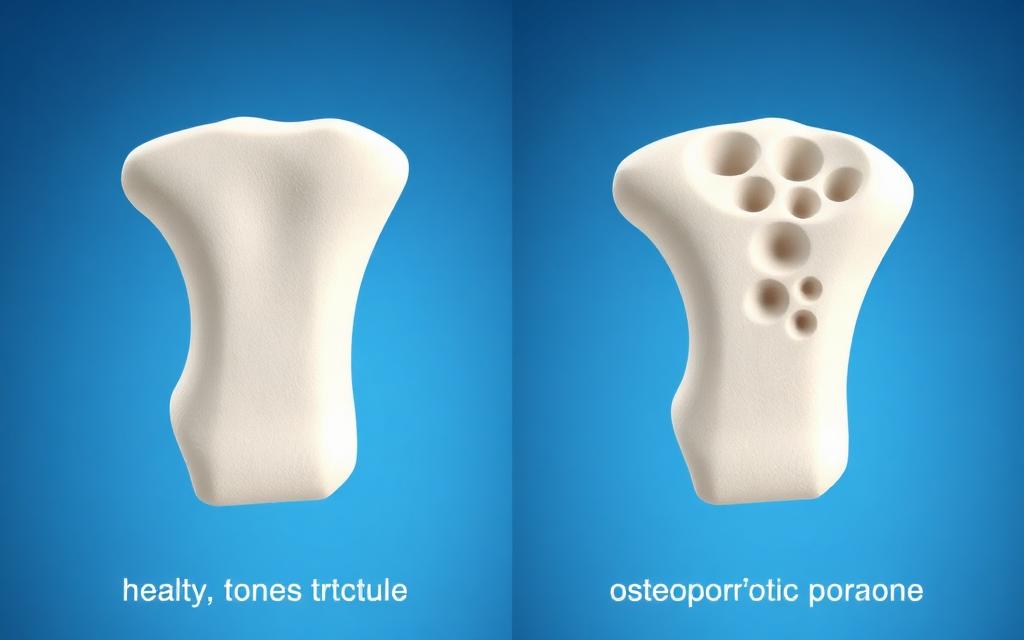
Osteoporosis: why me, and how can I improve it?
Osteoporosis affects over 200 million people worldwide. Understanding your personal risk factors is the first step to changing the trajectory.
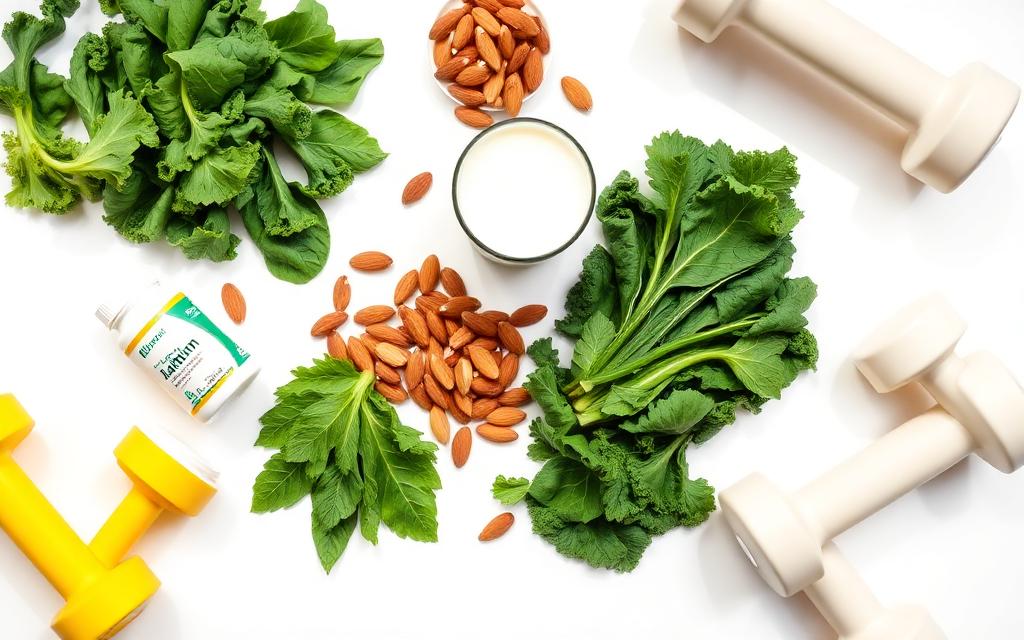
Five things quietly weakening your bones
Around 6.2 million Australians over 50 live with weakened bones. Many of the everyday habits behind it are surprisingly common.
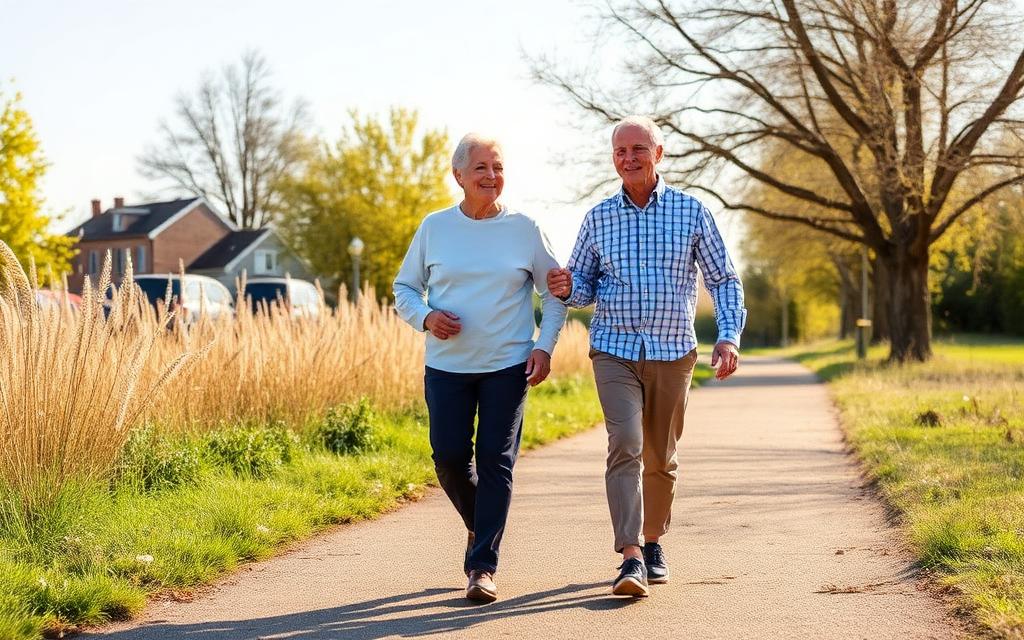
Are your bones ageing faster than you are?
Skin and hair get all the attention, but your skeleton is quietly ageing too. Here's how to notice — and slow — the process.