What do the results of your DEXA scan mean for your bone health?
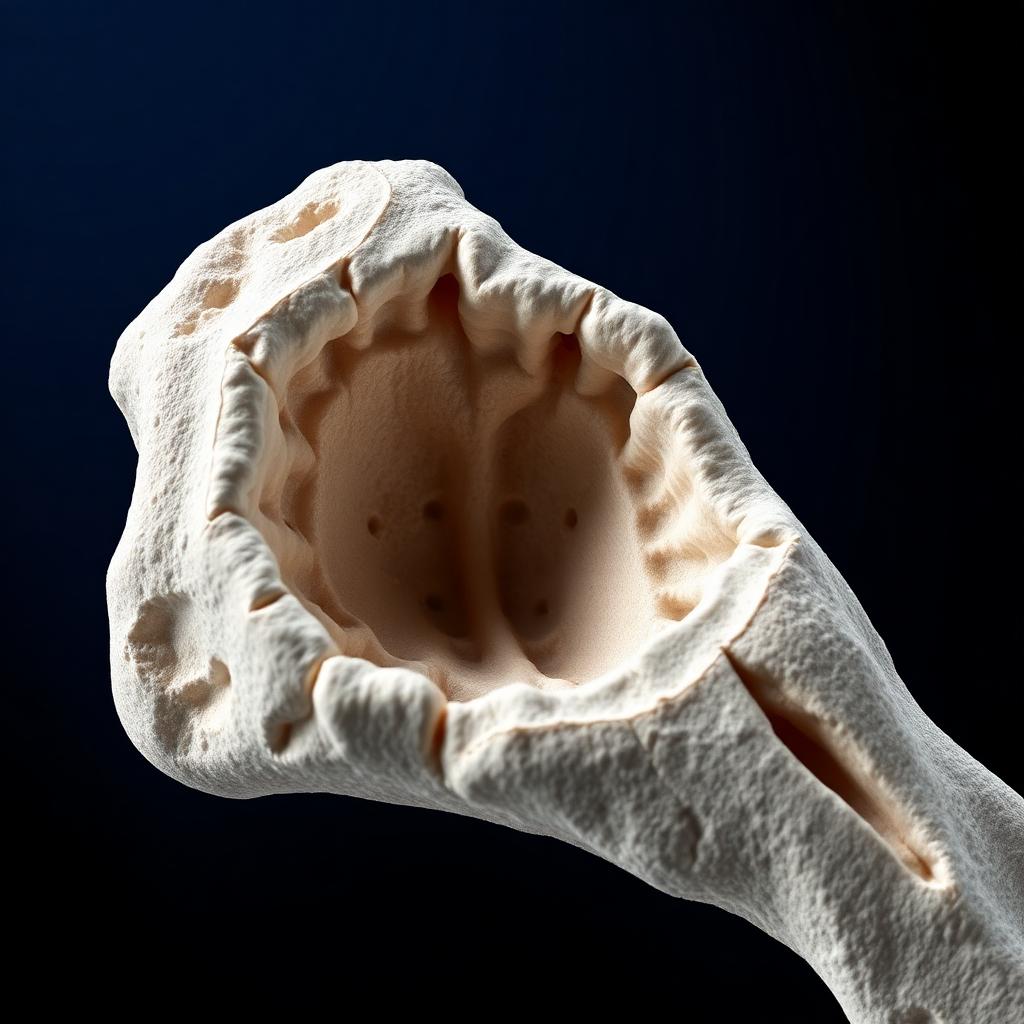
A DEXA scan gives you a T-score and a Z-score — but what do the numbers actually mean, and what should you do about them?
The two scores that matter
A DEXA (dual-energy X-ray absorptiometry) scan measures bone mineral density and compares it against two references. The T-score compares you to a healthy young adult; the Z-score compares you to people of your own age and sex.
- T-score above -1.0 — normal bone density
- T-score between -1.0 and -2.5 — osteopenia (low bone mass)
- T-score at or below -2.5 — osteoporosis
What to do next
A single number doesn't dictate your future. Combined with your age, medical history and fracture risk, your GP or specialist can build a plan that may include lifestyle changes, movement therapy, nutritional support and — where appropriate — medication.
Low-intensity vibration therapy is one non-drug option increasingly used alongside conventional care to help maintain or improve bone density over time.
Have a question about Marodyne LiV?
Speak with our team about suitability, pricing and delivery anywhere in Australia.