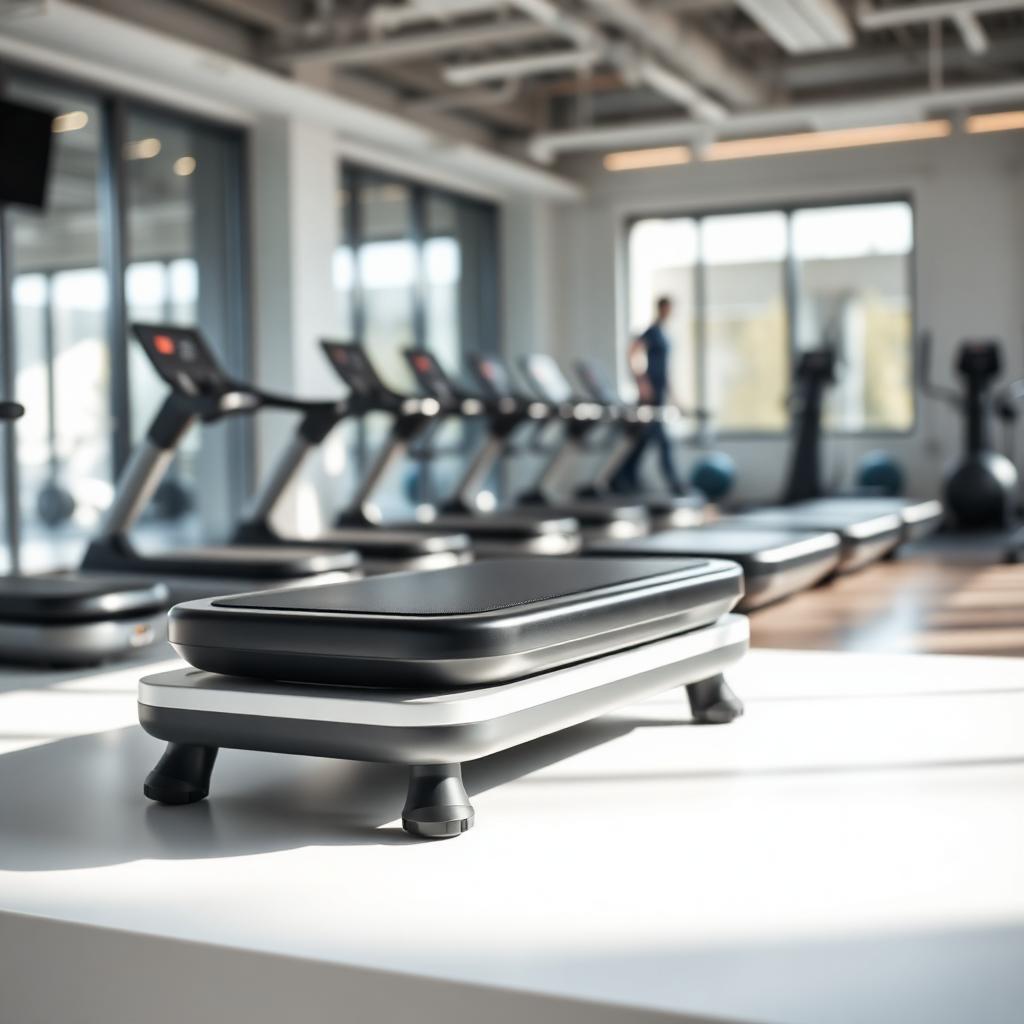
Walk into most commercial gyms and you'll find high-intensity vibration plates — often marketed as a shortcut to a full-body workout. The pitch is appealing: stand on the platform, let the vibrations do the work, and reap the benefits of stronger muscles and bones. But the reality is more nuanced. Not every vibrating platform is safe, and for people concerned about bone density, the wrong device can do more harm than good.
Two very different technologies
Vibration therapy has real clinical roots. It was originally developed to help astronauts counteract the bone density loss caused by prolonged time in microgravity. The core idea is that gentle mechanical signals stimulate the cells inside bone to build new tissue — mimicking the natural loads produced by muscle contraction during movement.
The problem is that "vibration therapy" now covers a huge range of devices, from medically-certified low-intensity platforms to consumer power plates that vibrate many times harder than international occupational safety limits allow.
High-intensity power plates
- • Typically operate above 1.0g of acceleration
- • Often exceed ISO / NIOSH safe daily exposure limits
- • Linked in research to musculoskeletal, circulatory and neurological risk
- • Not suitable for osteoporosis, cardiovascular disease, spinal injury and many other conditions
Low-intensity vibration (LiV)
- • Precise 0.4g signal at 30 Hz — well below safety thresholds
- • Just 10 minutes a day, standing still
- • Certified medical device, backed by decades of research
- • Suitable for children through to adults over 100
How low-intensity vibration supports bone
As we age, the stem cells inside our bones tend to produce more fat and less new bone. Factors like low BMI, diabetes and long-term steroid use accelerate that shift, quietly reducing bone density and increasing fracture risk.
Low-intensity vibration therapy provides a small, precisely tuned mechanical signal that travels from the soles of the feet up through the legs, hips and spine. That signal nudges stem cells toward becoming bone rather than fat, encourages osteoblasts (the bone-building cells) to work, and dampens the activity of osteoclasts (which break bone down). The net effect over time is a stronger, denser skeleton.
What the signal actually feels like
Standing on a Marodyne LiV feels like a soft hum through the feet — nothing like the aggressive shaking of a gym plate. There's no special posture required. Shifting weight forward directs the signal toward the hips and legs; leaning back into the heels sends it up through the spine.
Why high-magnitude plates raise concerns
Independent research assessing common commercial vibration platforms has found that many deliver accelerations that exceed the safe daily exposure recommended by the International Standards Organisation and occupational health regulators — sometimes by a wide margin. Reported and studied risks include musculoskeletal strain, effects on the circulatory and nervous systems, and complications for people with existing conditions such as:
- Osteoporosis or previous fractures
- Recent orthopaedic surgery or spinal injury
- Cardiovascular disease — heart attack, stroke, angina, arrhythmia
- Epilepsy, migraines or retinal conditions
- Blood clots, implants, pacemakers or IUDs
- Pregnancy, neuropathy or inner-ear conditions
For the very people who most want to protect their bones, a high-intensity plate is usually the wrong tool.
The Marodyne LiV difference
Marodyne LiV is a home-use medical device certified as Class IIa by the British Standards Institute, CE-marked in the European Union, and recognised by the Royal Osteoporosis Society. It doesn't need a prescription. There's no strenuous exercise involved — you simply stand on the platform for around 10 minutes a day.
Professor Clinton Rubin, a leading global authority on vibration therapy, emphasises that consistency matters more than duration. Five sessions a week is enough to see the clinical benefits reported in the research. If ten minutes at once is too long, splitting it into a morning and evening session — with a couple of hours between — can actually enhance the bone-building response.
Getting started
Improving bone health doesn't have to mean punishing workouts or a growing list of medications. Marodyne LiV offers a gentle, evidence-backed daily routine that fits into everyday life and suits almost every age and ability level.
Marodyne LiV is available in Australia exclusively through Rehacare. To ask a question or order a device, call 1300 653 522 or send an enquiry below.